August 11, 2026
The automotive landscape has changed dramatically over the last few decades, with vehicles from overseas manufacturers becoming increasingly common on local roads. Drivers appreciate these vehicles for their unique styling, advanced engineering, and impressive performance capabilities. However, when these sophisticated machines require maintenance, owners discover that taking them to a standard neighborhood garage might not be the most effective solution. The intricacies of imported vehicles present unique hurdles for technicians who have spent their careers focusing exclusively on domestic models. From specialized tools to unfamiliar engineering philosophies, the differences can be staggering for those who have not received the proper, brand-specific education required to work on these high-end machines.
Many standard automotive shops try their best to accommodate every vehicle that rolls through their bay doors, but imported cars require a vastly different approach. While a standard garage handles basic oil changes easily, more involved engine work demands a level of expertise that takes years to cultivate. According to IBIS World, there are 307,000 businesses operating within the Auto Mechanics industry in the U.S. in 2026. Despite this massive number of shops, only a select fraction possess the exact knowledge necessary to provide reliable foreign auto repairs without relying on guesswork or trial-and-error techniques.
Facing Complex Technological Differences
One of the most prominent reasons a standard technician might struggle involves the fundamental engineering differences between domestic and imported vehicles. Automakers from Europe and Asia frequently utilize distinct design philosophies that prioritize different performance metrics and fuel efficiency goals compared to American counterparts. These philosophical differences manifest in the physical layout of the engine bay and the overall mechanical architecture of the car. When a technician accustomed to standard domestic layouts opens the hood of an imported luxury sedan, they are often met with a densely packed system that requires a completely different approach.
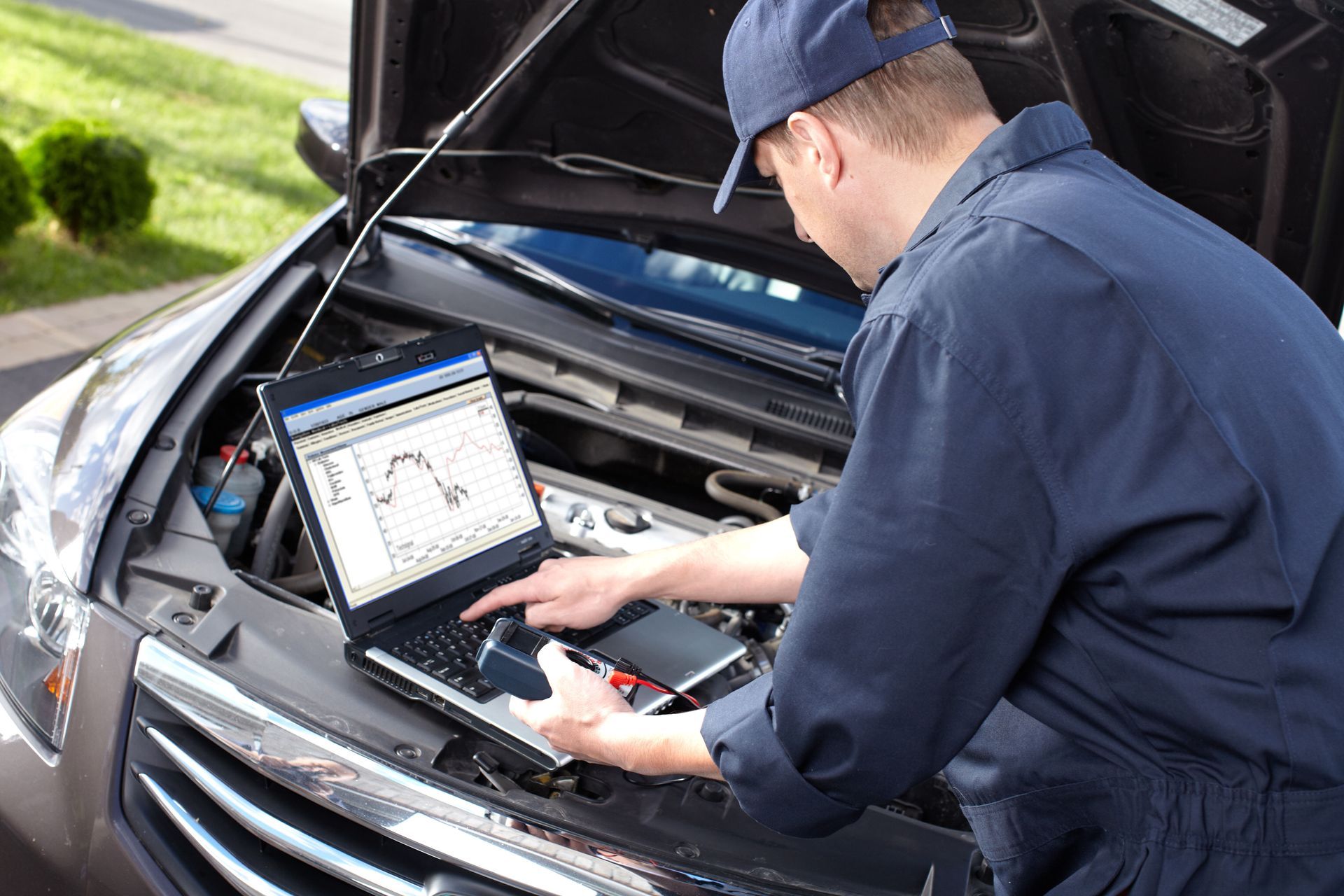
Modern vehicles are essentially rolling computers, and the software systems managing imported cars are notoriously complex. Technicians must understand proprietary coding networks that control everything from transmission shift points to climate control modules. Standard repair shops often lack the deep familiarity required to navigate these intricate digital networks efficiently. This lack of familiarity can lead to misdiagnoses, where a technician might replace a perfectly good mechanical part when the actual issue stems from a subtle software glitch. Accurate foreign auto repairs require technicians who dedicate their careers to studying these specific systems.
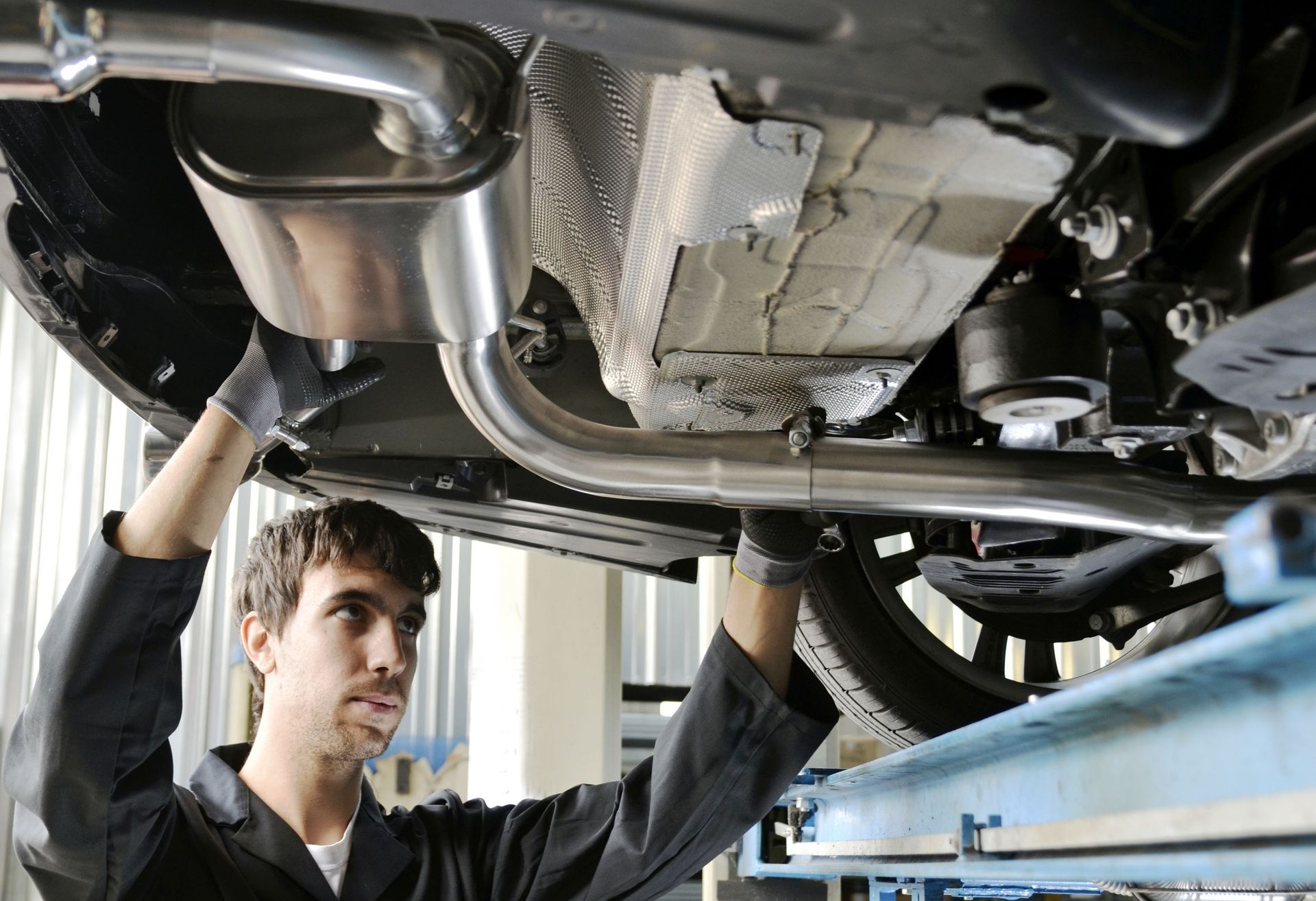
The physical construction of imported vehicles often involves unconventional fastening methods and tightly integrated components that make disassembly a delicate process. A procedure taking an hour on a domestic truck might take three hours on an imported sports car because the technician must remove several unrelated components to access the problem area. Without extensive experience working on these specific layouts, a standard mechanic risks causing accidental damage to surrounding parts, turning a minor issue into a major headache for the owner, resulting in costly supplemental bills and extended vehicle downtime.
Securing Specialized Diagnostic Equipment
Beyond the knowledge required to understand imported vehicles, technicians also need the right physical tools to work on them. The standard diagnostic scanners found in most neighborhood garages are designed to read standard on-board diagnostic codes across a wide range of common vehicles. While these tools are excellent for standard domestic cars, they often lack the deep-level access required to communicate effectively with the advanced computers in imported vehicles. Without the manufacturer-specific diagnostic software, a mechanic might only see a generic error code rather than the detailed data necessary to pinpoint a malfunction hidden deep within the car's complex electrical architecture.
Acquiring this specialized diagnostic equipment represents a massive financial investment that many standard repair shops cannot justify. Because they service primarily domestic vehicles, spending thousands of dollars on proprietary software for a handful of European or Asian brands does not make financial sense. Consequently, when asked to perform comprehensive foreign auto repairs, standard shops often rely on incomplete data, leading to a trial-and-error approach that wastes time and costs the customer money.
In addition to computerized diagnostic tools, imported vehicles frequently require specialized hand tools not typically found in a standard mechanic's toolbox. Automakers often design specific wrenches, customized pullers, and unique alignment jigs exclusively for their engines and suspensions. If a standard shop attempts to complete a repair without these specific tools, they may be forced to improvise, which easily leads to stripped bolts or improperly seated components. Specialized facilities invest heavily in brand-specific tools to ensure every job is completed exactly to the manufacturer's precise specifications.
Sourcing Authentic Replacement Components
Another significant hurdle for general repair facilities involves the logistics of acquiring the correct replacement parts. Standard neighborhood garages maintain strong relationships with local auto parts chains that stock components for common domestic vehicles. When a domestic car needs a new water pump, the local parts store can deliver it quickly. However, the supply chain for imported vehicle parts is different. Local warehouses rarely stock complex components for imported luxury cars, meaning standard shops must order them directly from overseas distributors, leading to delays that keep the customer's car off the road for days or even weeks on end.
Standard mechanics might be tempted to utilize aftermarket or generic replacement parts to speed up the repair process. While aftermarket parts can be fine for standard vehicles, they often fail to meet the rigorous tolerances required by high-end imported cars. Using inferior components can trigger dashboard warning lights or decrease overall vehicle performance. High-quality foreign auto repairs demand authentic, original equipment manufacturer components to preserve the integrity of the vehicle. Specialized shops have established dedicated supply lines with specialized distributors to source these exact parts efficiently.
Overcoming Persistent Language Barriers
An often-overlooked challenge in servicing imported vehicles is the documentation provided by the manufacturers. While many standard service manuals are translated into English, the initial engineering schematics and specific software coding instructions are sometimes originally drafted in the manufacturer's native language. When complex technical bulletins are translated, subtle engineering nuances can be lost. Technicians executing meticulous foreign auto repairs must possess a deep understanding of these specific manufacturer bulletins, which requires specialized training and a familiarity with the brand's unique technical jargon.
Furthermore, the digital interfaces within the vehicle's hidden diagnostic menus might not always feature perfect translations. A standard mechanic attempting to calibrate a newly installed sensor module might find themselves navigating menus filled with unfamiliar terminology or confusing abbreviations. This language barrier encompasses the unique visual language of electrical schematics and proprietary software interfaces. Specialists spend years learning this specific technical language, allowing them to interpret complex data streams and technical instructions precisely, whereas general mechanics might find themselves lost in translation.
Choosing the right facility for your imported vehicle is about protecting a significant investment and ensuring your safety on the road. General technicians provide an invaluable service for standard domestic cars, but the sheer complexity and specialized requirements of imported vehicles often fall far outside their daily scope of work. Entrusting your luxury or performance car to a facility that lacks the proper diagnostic software and dedicated supply chains can result in frustrating delays and improper maintenance. By seeking out technicians who specialize in foreign auto repairs, you guarantee that your vehicle receives the meticulous care it truly deserves, keeping it running at peak performance for years to come.
Your imported vehicle demands precision, care, and a level of expertise that only a dedicated facility can provide. Never settle for a standard approach when dealing with a high-performance automobile. For dependable and accurate foreign auto repairs, trust a team that focuses on the details that matter most. Call Rev Auto Club today to learn more about our specialized maintenance and detailing services tailored specifically for your premium vehicle.